
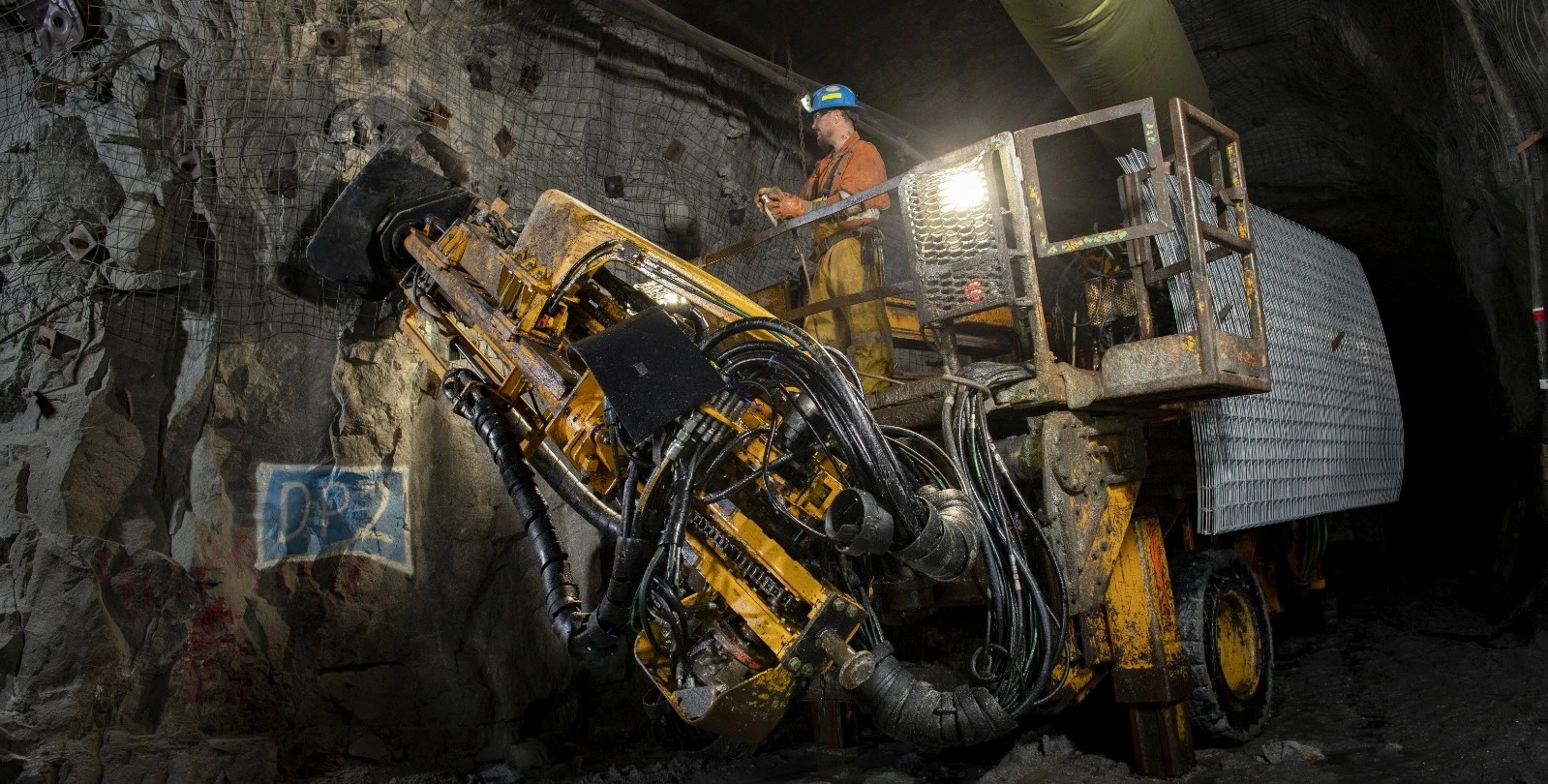
Rising costs, depressed prices and heightened competition from synthetic stones have forced the owner of the Ekati diamond mine in Canada’s Far North to file for insolvency protection.
Arctic Canadian Diamond (ACDC) has been granted protection under the Company Creditors Arrangement Act (CCAA) by the Supreme Court of British Columbia, parent company Burgundy Diamond Mines (ASX: BDM) said Friday in a statement. The protection order also extends to Burgundy by way of a non-applicant stay party order.
Perth-based Burgundy plans to use the CCAA process to hold talks with lenders, creditors and other stakeholders to “solicit and evaluate strategic alternatives to restructure ACDC financially and operationally” and avoid bankruptcy as it continues to navigate “difficult geopolitical, economic and industry conditions.”
Arctic Canadian plans to continue mining operations at Ekati during the insolvency protection process, and its management will still be responsible for handling day-to-day operations, Burgundy said. Burgundy “continues to believe in the long-term viability of the Ekati diamond mine and intends to emerge stronger, better and able to deliver value to all stakeholders,” according to the Australian company’s statement.
Painful period
News of the filing extends a painful period for the Northwest Territory’s mining industry following the end of diamond production in March at Rio Tinto’s (ASX, LSE, NYSE: RIO) Diavik mine after more than two decades. A third diamond mine in the territory, De Beers’ Gahcho Kué, is expected to operate until 2030.
Ekati, Canada’s first surface and underground diamond mine, has been operational since 1998. The mine is located hundreds of kilometres northeast of Yellowknife and is accessible only by air or seasonal winter roads. Burgundy acquired Arctic Canadian in 2023.
Open pit operations at Point Lake – which is part of Ekati – were halted in July, resulting in hundreds of layoffs.
Before a first round of layoffs in 2024, Arctic Canadian employed about 1,000 people and was one of the largest employers in the NWT, according to a report prepared last week by court-appointed monitor FTI Consulting. Ekati generated revenues of about US$183 million ($249 million) from rough diamond sales last year and US$4 million from polished diamond sales, the report says.
Rising fuel costs
Poor market conditions — including a steep decline in diamond prices since 2023 and significant increases in fuel prices due to the conflict in the Middle East — have contributed to Arctic Canadian’s financial distress, Burgundy said.
The increased prevalence of lab-grown diamonds, reduced demand from China and the impact of U.S. tariffs on natural diamonds have all weighed on prices.
Burgundy’s average price per carat declined from US$92 at the end of 2024 to as low as US$24 by December, the FTI report says.
Liquidity constraints
To address liquidity constraints, Arctic Canadian was granted a $175 million loan last year by the Canada Enterprise Emergency Funding Corporation, according to FTI’s report. ACDC also owes about US$79 million to lenders under a subordinate facility.
Despite its restructuring efforts, Arctic Canadian has continued to incur “significant losses” and remains in financial distress, FTI said in its report. The company is unable to meet its obligations as they become due, including obligations related to its secured debt and “substantial” trade and supplier accounts payable, FTI added.
“Given these and other factors, the company believes filing for protection under the CCAA for ACDC is the most prudent course of action,” Burgundy said in its statement.
“Burgundy has been working consistently to cut costs and recast its business plan to focus on producing the highest quality goods within its asset base. Despite these efforts, and after careful consideration of all other available alternatives, Burgundy’s board of directors determined that it is in the best interests of ACDC and all its stakeholders to seek protection under the CCAA.”

Be the first to comment on "Ekati mine owner seeks creditor protection amid diamond decline in Canada’s Far North"