
The natural focus at the initial stages of exploration is to delineate the area of interest and demonstrate the financial feasibility of a mining project. However, mining companies need to make environmental and social assessments a more integral part of the process.
Several recent trends bear this out:
* Growing public concern about environmental and social issues, new government regulations and the lobbying power of non-governmental organizations (NGOs) are fuelling a rising demand for better environmental and social performance from the mining sector. More projects are being restrained by environmental and social factors than before.
* Over the past three or four years, more junior mining companies have used their growing management strength and experience to keep ownership of their properties past the exploration stage. This means that they are involved more in environmental permitting and public consultation.
* Financing sources such as investment funds and banks are increasingly concerned about liability, and at an earlier stage in the financing process are asking tough questions about potential costs for mitigation. The mining industry needs to be able to demonstrate that specific issues will not make development of the property unfeasible.
* Finally, the Prospectors and Developers Association of Canada’s (PDAC) Environment Excellence in Exploration (E3) project (www.e3mining.com), backed by representatives of the World Bank, Falconbridge (FAL.LV-T, FAL-N), Inco (N-T, N-N) and other major industry players, promotes environmental stewardship in the exploration stage.
For many explorers, environmental and social issues are secondary questions, to be asked only if the play looks good financially. Understandably, mining companies do not want to put money into the environmental assessment of a property, only to find out that there is no mineralization there worth extracting. But there are many low-cost steps that can be taken, right from the start, to determine whether certain issues are likely to cause delays, unexpected expenses or even jeopardize the project.
Proper data compilation during drill logging is a good example. While the exploration company may have put considerable effort into building good logging records, many times environmental and geotechnical consultants find that these records do not provide the kind or quality of information they need. The resource-related drilling may have indicated the presence of sulphides, for example, but the logging may be insufficient for the consultants to determine if this poses an environmental concern.
This means that re-logging may be necessary, or even a second phase of holes drilled to gather environmental and geotechnical data, which costs money and time. With adequate forethought, drilling programs can be designed to serve delineation, environmental and geotechnical purposes.
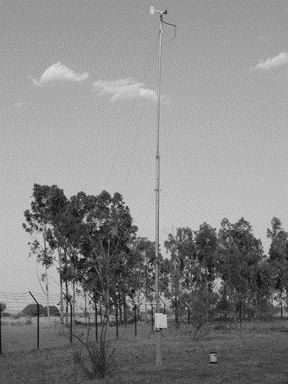
Another consideration comes from the importance of having environmental information from the site before it is disturbed. This can lead to baseline data that is more acceptable to regulators, who are then less likely to challenge the final report. Some baseline data must be collected over two or more years to be considered acceptable for predicting the environmental effects of a project. Baseline studies must capture the natural seasonal and annual variations affecting meteorology and hydrology, and aquatic and terrestrial ecosystems.
While it may be possible to acquire environmental data from public sources, the data may not be specific enough to the property’s location to be usable. The need for local data can delay a project significantly, pushing up its financing costs.
Proper management of all these different types of data is crucial. Companies, and the consultants they use, often find themselves working with data from a variety of sources and in different formats, which creates cost inefficiencies and time delays in the manipulation and analysis of this data. Setting up a flexible data-handling system early will streamline the process and aid information recovery at any stage of a project. Better valuations will come for properties that have well-organized, validated, problem-free data.
In addition to data collection and handling, ongoing consultation with local stakeholders is necessary to provide them with an understanding of the benefits and risks associated with the project. This identifies at an early stage socio-economic project risks and establishes positive relations between the mining company and populations that might be affected, before considerable investment is made in the property.
Collecting information on environmental and social components earlier in the exploration phase can reduce the company’s financial risk by identifying social and environmental show-stoppers, and decrease the likelihood of project delays. A smoothly operating project will control financial costs and build confidence in the company’s share value.
— Ken DeVos (kdevos@golder,com) and Greg Warren (gwarren@golder.com) are members of the mining group at Golder Associates Ltd. They can be reached at 1-905-567-4444.
Be the first to comment on "Need for balanced approach to exploration"