
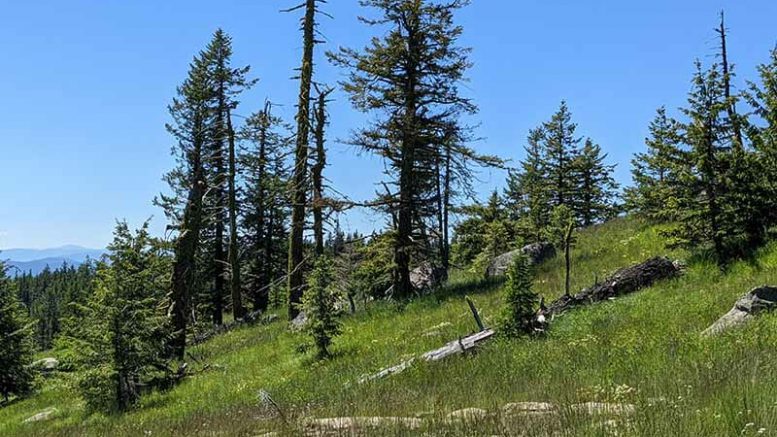
A proposed West High Yield Resources (TSXV: WHY) magnesium mine in British Columbia remains stuck in limbo due to the objections of a U.S.-based Indigenous group.
B.C.’s Court of Appeals last week allowed a temporary injunction from the province’s Supreme Court that delays the project to remain in place until after a judicial review of the open-pit mine’s environmental permitting process has been completed. A hearing into the matter is scheduled for May 5.
Calgary-based West High Yield had intended to begin construction of Record Ridge this quarter with a view to starting production in next year’s first quarter, according to a February 2025 slide presentation posted on the company’s website. The injunction extends the company’s planned development timeline and adds another layer of uncertainty.
At the centre of the case is whether the Sinixt Confederacy, whose traditional territory spans parts of southeastern B.C. and Washington State, should be formally consulted in the provincial approval process. The dispute reflects broader tensions as British Columbia weighs how to treat U.S.-based Indigenous nations in environmental assessments and permitting decisions.
Waterway concerns
The Sinixt argues that the mine could affect lands and waterways of cultural and ecological importance, including areas connected to the Columbia River system, media reports say. The dispute highlights the evolving legal landscape for Indigenous rights in Canada, particularly as courts and governments grapple with overlapping claims and consultation duties. B.C. Premier David Eby has flipflopped this month over whether to suspend some Indigenous rights to allow development projects.
Located about 5 km north of the Canada-U.S. border and about 500 km east of the Port of Vancouver, Record Ridge holds an estimated 43 million measured and indicated tonnes grading 24.6% magnesium for contained metal of 10.6 million tonnes, according to a 2013 resource. West High Yield pegged the mine’s operating life at 172 years.
Magnesium-bearing ore such as the one that would be mined at Record Ridge is increasingly classified as a critical mineral due to its applications in automotive, aerospace and construction sectors.
A November 2022 prefeasibility study showed Record Ridge would cost about $250 million (C$343 million) to build. It would have an after-tax net present value of $728 million, an internal rate of return of 118% and a payback period of 1.5 years.
Environmental pass
Record Ridge has already cleared some key provincial hurdles. In 2025, B.C.’s environmental assessment office determined the project didn’t require a full environmental assessment because its planned production falls below legislated thresholds. That decision is now under judicial review, following challenges from local opponents and Indigenous groups who argue that the project’s impacts warrant deeper scrutiny.
The case is taking place against a backdrop of potential legislative changes that could limit the role of foreign Indigenous groups in B.C. environmental reviews. That prospect has raised concerns among Indigenous leaders and legal observers about how consultation obligations will be defined in the future.
West High Yield has positioned the project as a key North American source of magnesium. In March, it signed a forward sales agreement for future production of magnesium-rich serpentine ore with U.S.-based Galaxy Trade and Technology that would generate at least $30 million a year over the first two years of production.
However, the project has faced persistent opposition from residents and advocacy groups concerned about environmental impacts, including the handling of asbestos-bearing rock and proximity to sensitive ecosystems.
E-mails to West High Yield CEO Frank Marasco and the Save Record Ridge Action Committee weren’t immediately returned Thursday. A spokesperson for the Confederated Tribes of the Colville Reservation couldn’t immediately be reached for comment.


Be the first to comment on "US First Nation holds up project in Canada"