
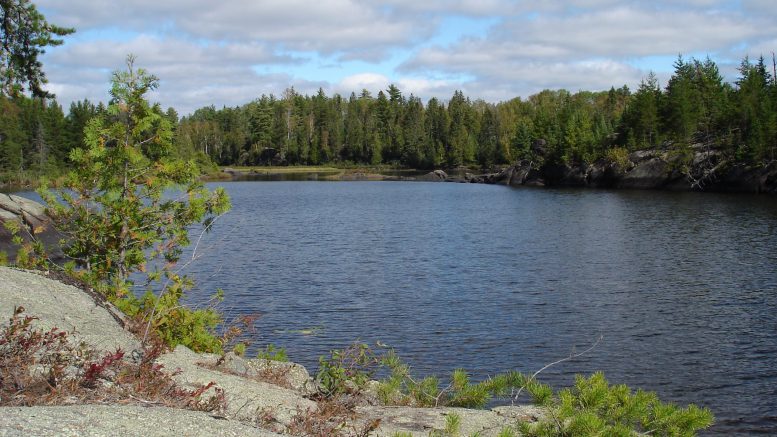
The United States Senate narrowly voted to overturn a longstanding mining ban on public lands in northern Minnesota, a move that could revive development of one of the country’s largest untapped copper-nickel deposits.
Thursday’s 50–49 vote rescinds a 20-year moratorium imposed in 2023 that covered about 225,000 acres (91 sq. km) of the Superior National Forest near the U.S.-Canada border, restoring access to federally controlled mineral leases in the watershed of the Boundary Waters. The resolution, already passed by the House of Representatives, will now be sent to President Donald Trump, who is expected to sign it into law.
The decision removes a key roadblock for the proposed Twin Metals project, a controversial underground copper-nickel mine backed by Chile’s Antofagasta (LSE: ANTO). Supporters argue the operation could bolster domestic supplies of critical minerals used in electric vehicles and renewable energy technologies, while creating jobs in northeastern Minnesota.
Twin Metals, which sits on one of the world’s largest polymetallic deposits, would be the first underground mine in Minnesota since 1967. It would also be the next major nickel mine in the U.S., as the country’s only existing operation is set to close near the end of the decade.
Duluth Complex
Located near the city of Ely, Twin Metals targets copper, nickel and cobalt mineralization hosted in the Duluth Complex, a major geological formation known for its sulphide-bearing ores. Plans call for an underground mine accessed by ramps, along with surface processing facilities and dry stacking for tailings.
The project remains years from construction. It must still undergo federal and state permitting and environmental review processes.
Mineral projects in the region have faced numerous obstacles. In 2023, then-president Joe Biden cited environmental concerns and the economic value of outdoor recreation when he issued the 20-year mining ban.
The Boundary Waters region is one of the most ecologically sensitive wilderness areas in North America, spanning more than 4,000 sq. km of lakes, rivers and boreal forest along the U.S.-Canada border. Mining has long been restricted in the area due to concerns over water contamination and ecosystem damage.
Critics, including environmental groups and some lawmakers, warn that sulphide mining in the watershed poses a high risk of acid mine drainage. This could permanently damage the interconnected waterways of the Boundary Waters.
Be the first to comment on "US Senate vote unlocks huge Antofagasta copper project in Minnesota"