
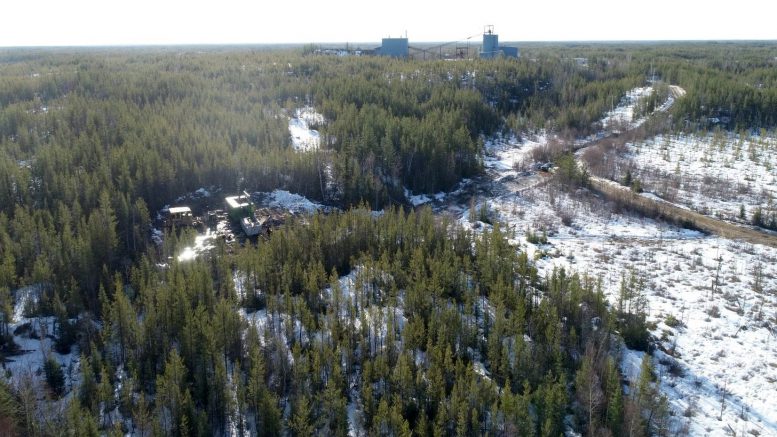
Minnova (TSXV: MCI; US-OTC: AGRDF) outlined a $53.4-million (C$76.2-million) plan to bring Manitoba’s PL gold mine back into production in 2028, using existing infrastructure to limit upfront spending.
The operation near Sherridon, roughly 630 km northwest of Winnipeg, would average 62,200 oz. annually over 10 years, according to a preliminary economic assessment (PEA) released Wednesday.
“This PEA confirms what we have believed about the PL gold mine: a high-grade open pit start, an existing mill and infrastructure and a modest capital requirement combine to deliver a short payback and strong returns,” President and CEO Gorden Glenn said in the release.
Starting with surface ore could help Minnova generate cash before relying entirely on underground mining. The approach recasts an earlier development plan that centred on underground production, giving the company a longer operating horizon to support its restart ambitions.
High grade
PL’s September resource estimate contains 3.76 million measured and indicated tonnes grading 4.98 grams gold per tonne for 601,158 ounces. Another 1.67 million inferred tonnes grade 3.78 grams for 202,810 ounces.
The open-pit portion includes 1.58 million measured and indicated tonnes grading 5.28 grams, containing 268,091 ounces. Lower reporting cut-off grades and changed mining constraints prevent a direct comparison with the historical resource estimate, Minnova says.
Minnova shares fell 3.2% to C15¢ by midday Thursday in Toronto, valuing the company at about C$19 million ($13 million). They’ve traded between 14¢ and 50¢ over the past year.
Cost exposure
At $3,000-per-oz. gold, the new assessment projects a $180.6-million after-tax net present value, discounted at 5%, and a 111% internal rate of return. Payback would take about eight months from production.
All-in sustaining costs are estimated at $2,288 per oz. A 20% gold-price decline to $2,400 cuts the after-tax value to $5 million. The open pits require moving about 21 tonnes of waste for every tonne of ore.
The company’s 2017 feasibility study envisaged a five-year operation producing about 46,500 oz. annually, mostly from underground mining. It estimated all-in sustaining costs of $942 per ounce.
That earlier study assumed gold at $1,250 per oz. and excluded inferred resources from its production plan. Different study standards, mining plans and price assumptions mean its returns aren’t directly comparable with the new assessment.
Minnova had already set out plans last month to expand its existing 1,000-tonne-per-day plant to 2,000 tonnes in the second operating year. That would allow higher output while surface mining supplies the mill, before the operation shifts underground.
Resource expansion
The update followed more than 13,500 metres of drilling in 131 holes between September last year and April, targeting resource expansion and improving confidence in the deposit, the company said in July.
The site, formerly known as Puffy Lake, operated from December 1987 to March 1989 before mining stopped, according to an environmental assessment filed with Manitoba.
Minnova plans further resource updates, metallurgical testing and work toward a prefeasibility study. Its existing environmental licence covers underground mining. The company’s development plans also call for amendments to accommodate open pits and new underground access.
Be the first to comment on "Minnova maps $53M restart for Manitoba gold mine"