
The results from seven new holes represent the discovery of several structures and the confirmation and extension of existing veins.
So far, more than 11,000 metres have been completed in a 20,000-metre, first phase that began in July 2003 (T.N.M., Jan. 2-8/04).
The 2003-2004 drill program has already returned 258 mineralized intercepts yielding a weighted average grade of 1.80 grams gold and 8.2 grams silver per tonne over an average width of 9 metres.
The results provide some comfort to shareholders who have watched Greystar’s share price plummet to below the $2 mark at presstime from $2.90 at the start of 2004. The fall was precipitated by a statement from the company in early January. In it, Greystar expressed concern that about 10% of the assays from diamond drilling during the 1996-99 period were “high relative to comparable current data.”
Since then, Greystar’s technical staff has reviewed the old data and completed 78 check assays on core splits. The company reinterates that less than 10% of the original assays, including metallic screen analyses, are in question and that the review will include re-analysis of core and rejects.
“The analyses of the results to date suggest that the impact on the Angostura resource calculations should be small,” states Greystar.
Greystar has retained Strathcona Mineral Services to prepare a report, due in mid-April, which will incorporate 13,000 metres of new drilling from the 2003-04 program plus adjusted results from the historical database.
Strathcona has studied Angostura for Greystar in past years, and prepared the most recent (September 2003) technical report.
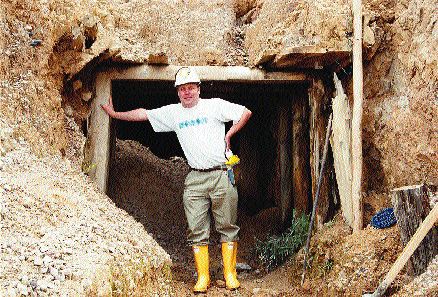
Meanwhile, Greystar has begun excavating 2,000 metres of drifts and crosscuts at Angostura to expose several veins for sampling and to provide geotechnical data.
The company has hired mining engineer Juan Lucero Fernandez as project manager for Angostura. He will report to Vice-President Frederick Felder.
Be the first to comment on "Greystar cuts gold, reviews data"