
Gold is poised to benefit significantly from an increasingly fragmented world as nations continue to pivot into the metal and away from the U.S. dollar as their go-to reserve asset, according to Deutsche Bank.
In a note published on Monday, the German investment bank said it sees a scenario where central banks, especially those in emerging economies, continue to increase their gold holdings as a financial safety net to protect themselves from Western sanctions.
The bank highlights that these central banks have added over 225 million oz. to their reserves since the 2008 financial crisis, while their holdings of U.S. dollar have fallen from a peak of over 60% in the early 2000s to about 40% today.
Gold buyers
It is not only the major holders — China, Russia, India and Turkey — that are buying up gold. As Deutsche Bank noted, the purchases are broadening to include countries like Kazakhstan, Saudi Arabia, Qatar, Egypt and the United Arab Emirates.
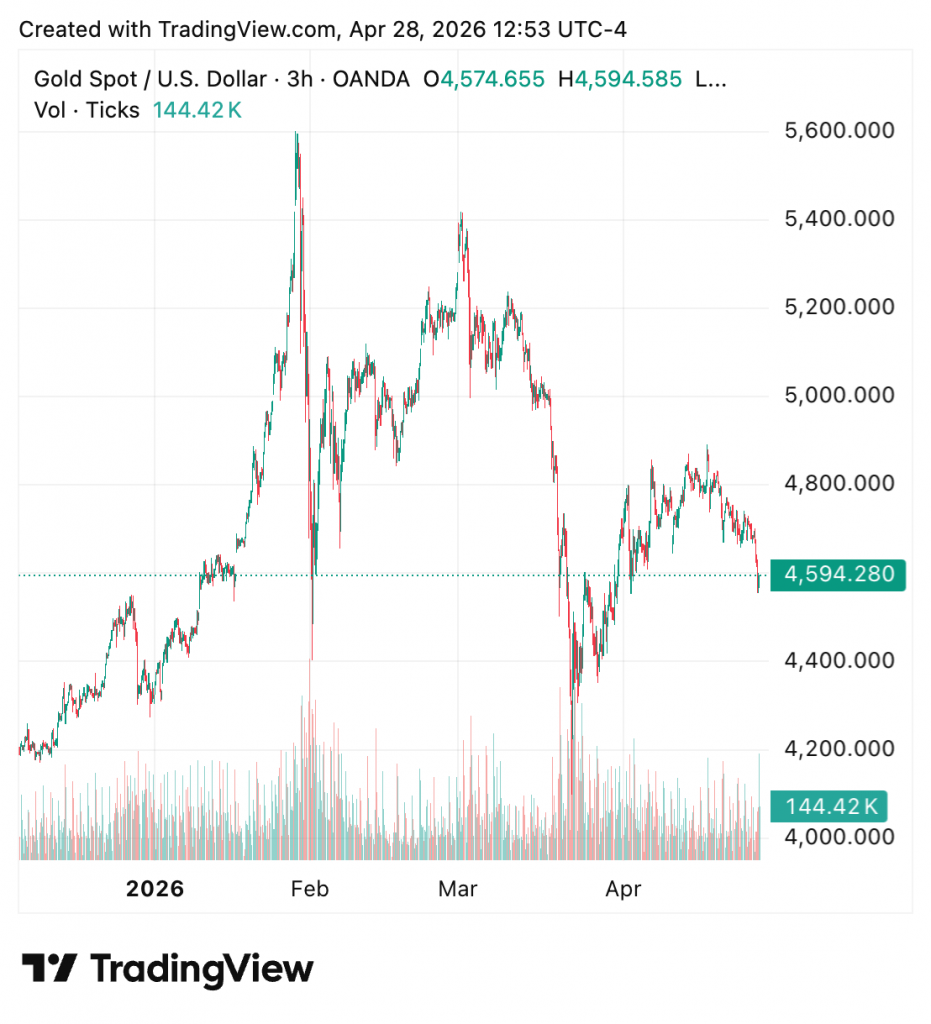
Should this trend continue, bullion’s share of global central bank reserves could realistically reach 40%, up from 30% currently, the bank predicts. At that allocation, Deutsche Bank ran a simulation that projects gold prices to hit $8,000 an oz. within five years — a near 80% rise on current levels.
While this price projection is conceptual in nature and not an official forecast, it aligns with the industry’s prevailing view that gold stands to be the biggest beneficiary of the global de-dollarization movement as trust in US assets continues to erode.
A survey last year by the World Gold Council revealed that central banks see economic and geopolitical uncertainty as a key factor influencing their decision to accumulate gold.
Be the first to comment on "Deutsche Bank forecasts $8,000 gold price by 2031"