
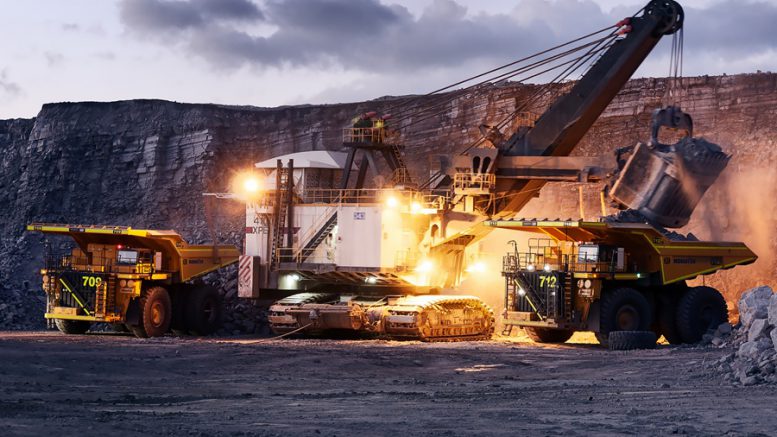
The Glencore (LSE: GLEN)-Yancoal (ASX: YAL) Hunter Valley Operations (HVO) coal complex in Australia has secured state approval to operate HVO North through 2045 and HVO South through 2042, subject to conditions addressing emissions and the region’s eventual transition from coal.
The New South Wales Independent Planning Commission approved the continuation of mining at HVO North and South open pits near Singleton, allowing the Glencore-Yancoal joint venture to extract about 429 million tonnes of run-of-mine coal. The operations had been facing the expiry of existing approvals at the end of 2026. Singleton is about 145 km north of Sydney.
HVO general manager Dave Foster extended thanks to the mines’ workforce, local suppliers and the wider Hunter community.
Economy vs environment
HVO employs about 1,500 people and buys goods and services from more than 800 suppliers, making the operation an important part of the Hunter Valley economy even as governments seek to reduce greenhouse gas emissions. The joint venture contributed A$1.76 billion (C$1.73 billion) to the Australian economy in 2025, it said. HVO produced over 14 million tonnes of coal in 2025.
One of Australia’s major producers, Yancoal in April agreed to buy an 80% stake in the Kestrel coking coal mine in Queensland for up to A$3.4 billion, further boosting its position among Australia’s largest coal miners.
More than 10,000 public submissions were made during the commission’s deliberations, with about 60% supporting the project. Opponents focused heavily on its climate impact, while supporters emphasized employment, local businesses and the mine’s broader economic contribution.
The commission acknowledged that greenhouse gases from the mining operations and the eventual combustion of its coal overseas would contribute to climate change in the Hunter region, across New South Wales and globally. The project is associated with an estimated 809 million tonnes of carbon-dioxide-equivalent emissions over its life, about 98% of them Scope 3 emissions generated principally from transporting and burning its coal.
Shares in Glencore were up 0.62% to 555.2 pence ($7.32) apiece by markets close in London, valuing the company at £65.1 billion ($86.3 billion). Yancoal shares gained 4% to A$6.02 apiece on Wednesday in Sydney, for a market capitalization of A$7.9 billion. The stock has traded in a 12-month range of A$4.76 to A$9.06.
The conditions
The commission’s approval comes with obligations for Hunter Valley to reduce greenhouse gas emissions, maximize renewable energy use from four years after the project begins and purchase additional carbon offsets.
The conditions also require HVO to prepare and regularly update plans covering greenhouse gas mitigation and the eventual closure of the operation, including measures to help workers and surrounding communities transition as mining winds down.
The conditions would preserve support for local workers and businesses while helping the region transition toward new economic opportunities as coal mining winds down, the New South Wales commission said.
Lock the Gate told Reuters that pollution from HVO would undermine Australia’s efforts to reduce greenhouse gas emissions.
Australia was the world’s fifth-largest coal producer in 2023, accounting for nearly 7% of global output, according to Geoscience Australia. Australia has committed to net-zero emissions by 2050, even as coal remains one of its largest export industries.
Be the first to comment on "Glencore’s Hunter Valley coal mine cleared to 2045"