

Indian Prime Minister Narendra Modi has asked Indians to stop buying gold jewellery for a year in a bid to protect foreign-exchange reserves, a move that could ripple through global bullion markets if it dents demand in one of the metal’s largest consuming nations.
India accounts for an outsized share of global physical demand, and gold is its largest import after oil due to its major role in weddings and festivals. Jewellery consumption reached about 440 tonnes in 2025, roughly a third of global jewellery demand and about 9% of total gold demand, according to BMO Capital Markets. Bar and coin demand added another 280 tonnes.
The prime minister’s call “is quite an unusual move, given gold in India is of utmost cultural significance, with Modi appealing that ‘for a year, be it any function, we shouldn’t buy gold jewellery’,” BMO commodities analysts Helen Amos and George Heppel said in a note on Monday.
“While enforcement remains an open question, it raises the question of whether the recent administrative bottlenecks in approving import licences to Indian banks may be related to this.”
The policy is ultimately aimed at supporting the rupee by targeting two of India’s biggest external pressures at once. By reducing gold imports, a major draw on foreign currency, authorities are seeking to ease strain on reserves as higher oil prices driven by the Middle East war widen the trade deficit and weaken the currency. The U.S. and Iran on Monday again failed to agree on a peace deal.
Demand source
Gold itself accounts for roughly 17% of India’s foreign-exchange reserves, underscoring its dual role as both a drain on and a support for the country’s financial position, The Wall Street Journal reported on Monday.
The policy matters beyond India because even a partial reduction in buying would soften one of the world’s most reliable sources of physical demand, The Wall St. Journal said. It could ease pressure on global supply chains and contribute to inventory build-ups in trading hubs such as London, while reinforcing the link between currency defence and commodity flows.
A sustained drop in Indian purchases would likely weigh on physical premiums and could cap the upside in global gold prices at the margin, the Journal said. India tends to act as a price-sensitive buyer, stepping in when prices dip and retreating when they rise, so a policy-driven absence removes a key stabilizing force in the market. Still, broader price direction would continue to be driven by macro factors including U.S. interest rates, geopolitical risk and central bank activity.
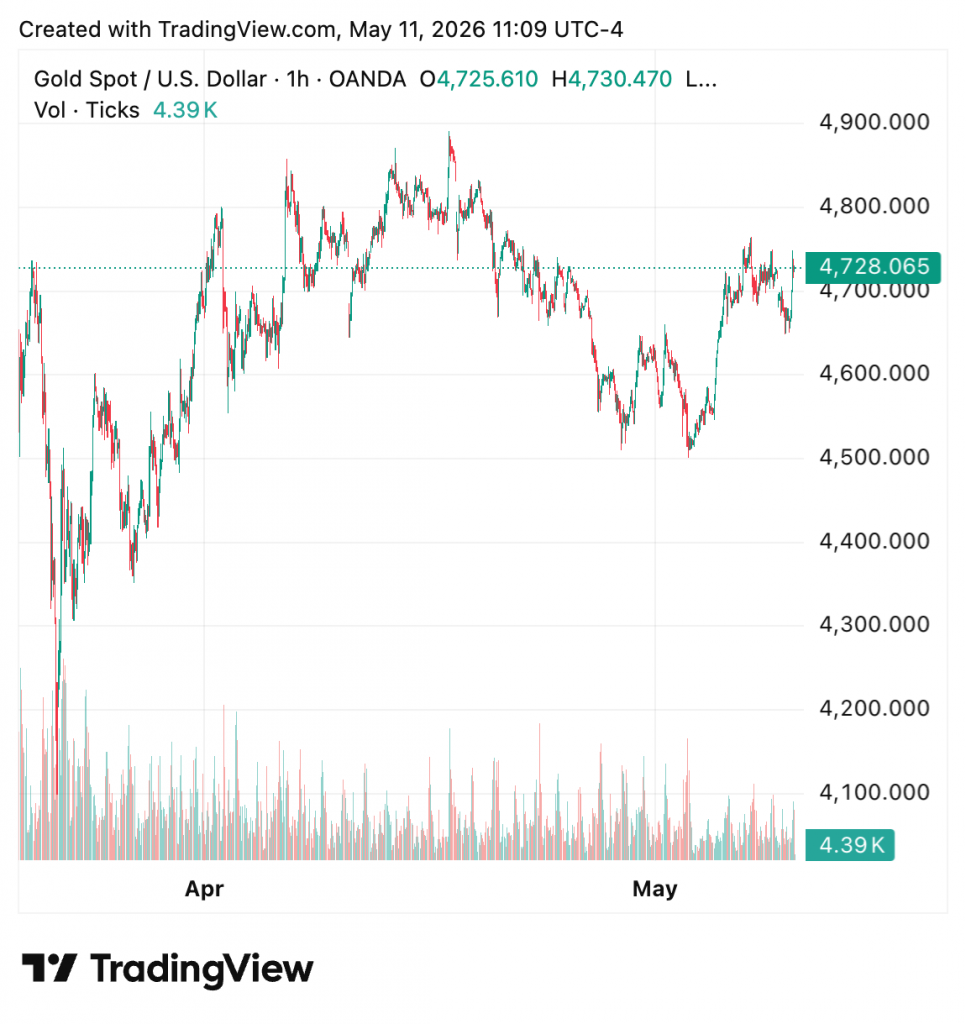
Rising inventories
BMO has already pointed to rising inventories in London vaults, partly tied to weaker Indian imports alongside increased U.S. exports and some central bank selling. A prolonged slowdown in Indian demand would reinforce that trend, redirecting metal into storage rather than fabrication.
The most immediate impact is likely to be felt in the domestic jewellery sector. Shares of major Indian retailers fell sharply following the announcement, reflecting expectations of weaker sales volumes, The Wall Street Journal reported. Some of that demand could be deferred rather than lost, particularly for purchases tied to weddings and festivals.
Enforcement remains uncertain. Gold buying in India is deeply embedded culturally and has historically shifted into informal channels when restrictions are introduced. Previous efforts to curb imports have led to increased recycling and smuggling rather than a clean drop in consumption, which would blunt the global impact.
Be the first to comment on "India tries ‘unusual move’ to stop gold buying as Iran war bites forex"